
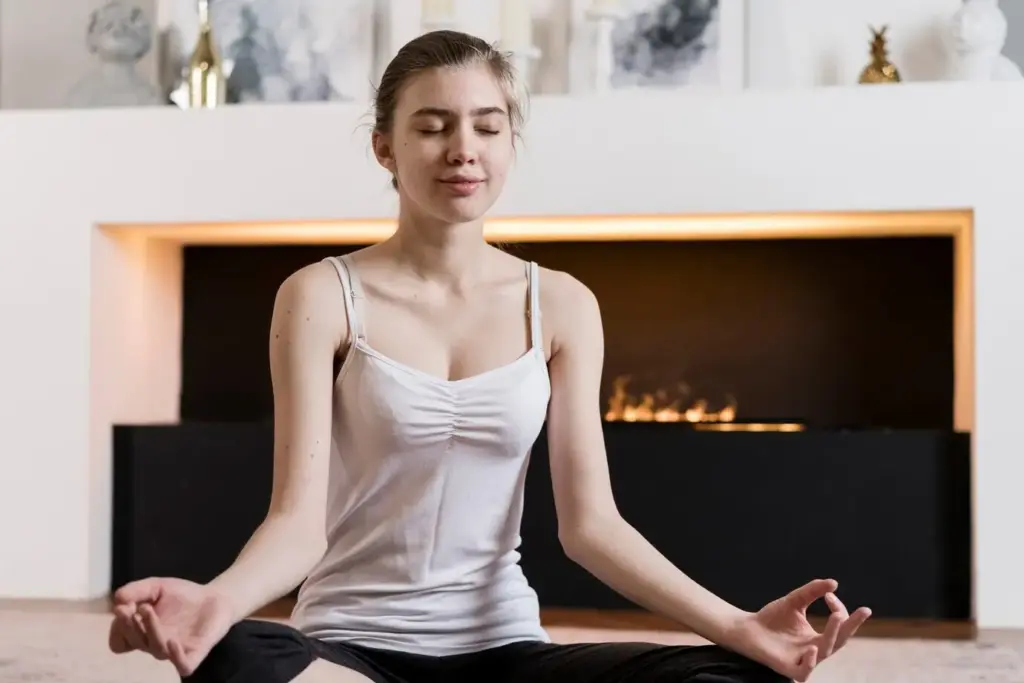
Steady Breaths Between Stops

Today we’re focusing on commute-friendly breath practices for on-the-go calm—simple, science-backed techniques you can use in buses, trains, rideshares, or traffic without taking your eyes off the road. Expect tiny resets that improve focus, soften stress, and turn ordinary pauses into reliable recovery moments. Try one at the next red light or platform wait, share what you notice afterward, and invite a friend to breathe with you tomorrow so consistency becomes surprisingly easy.

The First Five-Minute Scan

Before changing anything, notice. Count your natural breaths for sixty seconds and jot the number, or simply remember it. Feel where the air moves—chest, ribs, belly—and whether the exhale falls away fully. Keep the breath nasal if possible, and keep eyes open when moving. This quiet inventory teaches your baseline, reduces the urge to force, and sets a gentle starting point you can revisit tomorrow to see authentic progress.

Posture That Frees the Diaphragm

Adjust your seat or stance so sit bones feel grounded, ribs can expand in every direction, and the sternum stays soft rather than rigidly lifted. Loosen a tight strap, slide a backpack lower, and let shoulders unclench without collapsing. Imagine your waistline gently widening with each inhale and narrowing on the exhale. This 360-degree space allows the diaphragm to descend easily, granting smoother breaths that stabilize mood and sharpen attention without effort.

Choose a Gentle Rhythm

Aim for a sustainable pattern: inhale through the nose for about four to five seconds, exhale softly for five to six, and repeat for two to four minutes while waiting or walking. If that feels strained, shorten the counts and prioritize comfort. The slightly longer exhale cues the body toward calm without drowsiness. Keep the jaw unclenched, tongue resting lightly on the palate, and collarbones quiet, so each breath arrives quiet, steady, and kind.

Physiological Sigh in Two Steps

Inhale through the nose, then take a quick second sip of air to gently top off the lungs, and exhale long through the mouth like fogging a window. One to three rounds can reduce internal tension fast, especially after sudden stress. It works by redistributing trapped carbon dioxide and fully emptying the lungs. Use it during a parking lot pause, at a platform, or whenever agitation spikes and clarity would really help.

Coherent Breathing for HRV

Set a comfortable pace near five to six breaths per minute, matching inhale and exhale length. This cadence supports heart rate variability, a marker of adaptability that often correlates with steadier emotions and better focus. You can silently count five in, five out, or use a calm track’s tempo as a guide. Keep shoulders relaxed and breath quiet. Two to five minutes during a train ride can set a calmer baseline for hours.

Nasal Breathing Advantage

Breathing through the nose filters and warms incoming air, supports moisture retention, and encourages production of nitric oxide that can assist oxygen delivery. It also naturally limits over-breathing, keeping carbon dioxide levels more balanced for calmer physiology. If congestion shows up, try gentler breaths and shorter counts rather than switching to mouth breathing immediately. Over time, steady nasal practice often becomes more comfortable, making commutes feel cleaner, quieter, and surprisingly soothing.

Micro-Exercises for Every Stoplight

Tiny, predictable cues make continuity effortless. Attach a simple breath drill to red lights, door chimes, or platform announcements, and your commute becomes a string of meaningful resets. Keep all practices eyes-open and attention-forward whenever you’re operating a vehicle. Aim for small, repeatable sets rather than heroic efforts. Consistency beats intensity here, transforming random pauses into reliable anchors that gently reorganize your day from scattered urgency toward measured, bright clarity without adding extra time.

Red Light Reset

When the light turns red, breathe four seconds in through the nose and six out through the nose or softly through the mouth. Do two to three rounds, keeping vision on the environment and jaw unhinged but relaxed. If the light changes, simply finish the exhale and proceed. Over a week, those brief pauses accumulate into minutes of training, teaching your body a dependable, graceful downshift whenever external demands briefly step aside.

Doorway or Station Cue

Use the moment a train door opens or a station announcement begins as your signal. Take a slow inhale, pause very briefly for comfort, and release a longer, quieter exhale. Repeat two or three times while remaining aware of surroundings. This predictable pairing turns ambient sounds into helpful prompts, so you never need reminders on your phone. Eventually, the environment itself becomes a coach, nudging you toward steadiness without any extra planning.

Crowd Calm Technique

When the carriage feels packed and shoulders tighten, let your exhale become a barely audible hum. The gentle vibration relaxes facial muscles and prolongs the out-breath without drawing attention. Keep the hum soft enough that only you sense it. Try five gentle cycles. The resonance dampens internal noise and brings attention back home, replacing overwhelm with steady presence so you can navigate movement, announcements, and delays with practical, grounded ease.

A Cyclist’s Steady Climb

On a hill that usually steals breath and morale, one rider tried a simple pattern: inhale gently through the nose for three counts, exhale for four or five, eyes scanning for traffic. The longer release softened the urge to sprint and burn out, turning strain into a manageable rhythm. No extra gear, just pacing and patience. The hill stayed the same, yet the rider arrived at the top with legs alive and mind clear.

Subway Serenity Moment

A commuter who dreads shoulder-to-shoulder rides started using a whisper-quiet humming exhale. No one noticed, yet she felt her jaw release and attention broaden from internal worry to the larger space around her. When the car jolted, she did one physiological sigh and returned to humming. By her stop, energy felt steadier, not drained. She now anchors humming to the moment doors close, creating a private calm in public space.

Make It Stick Without Extra Time

Habits flourish when friction fades. Choose one micro-practice and link it to a reliable commute cue you already encounter daily. Track streaks with a simple tally after you park or step off the train, not while moving. Celebrate tiny completions—two breaths still count. Invite a friend to join for accountability and share weekly reflections. With steady anchors and visible progress, calm becomes automatic, arriving right on schedule without demanding more calendar space.

Safety, Accessibility, and When to Modify

Eyes Open, Attention on the Road

If you are operating a vehicle, choose eyes-open patterns only, keep exhales soft, and avoid any practice that narrows awareness or demands counting beyond your comfort. Skip long holds or anything that invites lightheadedness. Your environment remains the primary focus. Favor brief sets attached to predictable pauses. When stopped and safe, you can extend the practice slightly. Safety first keeps breathing accessible, repeatable, and truly supportive instead of distracting or risky.

If Dizziness Appears, Do Less

Dizziness means reduce intensity or stop. Shorten the exhale, breathe through the nose softly, or return to natural breathing until steadiness returns. You’re likely over-breathing or forcing pace beyond comfort. There is no prize for longer counts; the win is a body that trusts the practice. Tomorrow, start with fewer cycles and slower adjustments. Your system learns fastest when it feels safe, invited, and respected rather than pushed past its edge.

Special Cases and Professional Guidance

If you have asthma, anxiety disorders, cardiovascular concerns, pregnancy, or are recovering from illness, collaborate with a clinician or trained coach to personalize a plan. They can help tailor pacing, choose appropriate techniques, and suggest indicators that mean pause or modify. Start conservatively and observe how you feel an hour later, not just immediately. A personalized, cautious approach turns breathing into a durable ally that fits your life, seasons, and responsibilities.
Keranoxelivapturanlo
Privacy Overview

This website uses cookies so that we can provide you with the best user experience possible. Cookie information is stored in your browser and performs functions such as recognising you when you return to our website and helping our team to understand which sections of the website you find most interesting and useful.