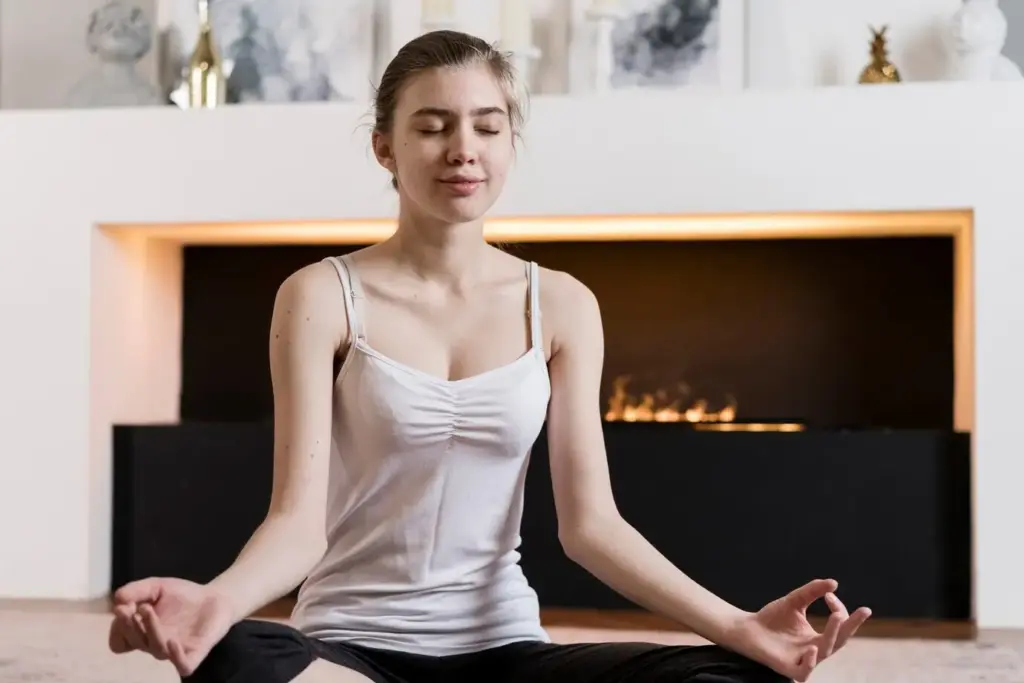
Micro‑Meditations for Everyday Moments: Calm in a Minute

Today we focus on micro‑meditations for everyday moments, welcoming tiny pauses that fit into real life. In less than a minute, you can breathe, notice, and reset. Let’s turn commutes, chores, and queues into reliable doorways to steadier attention and kinder self‑talk. Share your favorite micro‑moment and subscribe for weekly prompts.

Why Small Practices Work Big

Small practices engage the nervous system without overwhelming willpower, making repetition easy and results surprisingly durable. A minute of rhythmic breathing nudges the vagus nerve, lowers arousal, and restores choice. When you practice in life’s cracks, cues stick, confidence grows, and calm arrives before rumination snowballs.

Start Anywhere: Commute, Kitchen, Queue

Accessibility matters more than ambiance. Use the bus’s gentle sway, the kettle’s hum, or the checkout line’s pause as invitations. Each environment offers a natural rhythm or sound to sync with, turning waiting into practice. You’ll finish chores calmer and arrive places carrying less residue from earlier tasks.

Bus or Train Breathing

On transit, soften your gaze toward the floor or window edge, matching breath to station intervals or passing poles. Inhale over two, exhale over four, for ten rounds. If distractions appear, label “hearing,” “seeing,” or “thinking,” then return to rhythm without judgment or urgency.

Kettle Boil Body Scan

While water warms, travel attention from crown to toes in small, curious steps. Notice temperature, pressure, clothing, and posture. Soften the jaw, unhook the tongue, drop the shoulders. Let the click announce completion, and seal with one generous exhale that signals the next helpful movement.

Checkout Line Soft Focus

Let your eyes rest on a single color somewhere in the aisle, while awareness widens to include breath and soles of the feet. Micro‑release any clenching. Imagine thanks for everyone working here, including you, participating in a small choreography that keeps the day moving with care.

Techniques You Can Learn in One Breath

Box Breathing, Shrunk

Inhale for four, hold for two, exhale for four, hold for two—compressed for busy settings yet steady enough to balance alertness and ease. Trace a small square with your fingertip on your leg or desk, letting the tactile cue anchor attention when thoughts scatter.

5‑4‑3‑2‑1 Grounding Snapshot

Name five things you see, four you feel, three you hear, two you smell, and one you taste or imagine. Whisper them or note them silently. This quickly reorients attention to the present, shrinking worry loops and restoring a workable sense of control and sufficiency.

Mini Loving‑Kindness Whisper

On a single out‑breath, silently offer, “May I meet this moment with steadiness.” On the next, “May they be safe, well, and at ease.” Repeat for one minute. This gentle phrasing softens self‑criticism and warms difficult interactions without sacrificing clarity or healthy boundaries.

Stories from Real Days

From Email Avalanche to One Clear Reply

Jordan felt chest pressure rising as unread messages climbed. She placed feet flat, lengthened one exhale, and named three sounds: typing, humming, distant traffic. The urgency softened. Instead of frantic replies, she wrote one precise message, set boundaries, and scheduled deeper work without guilt.


Bedtime Reset for a Tired Parent

Amir noticed snapping at story time. He paused, felt the book’s texture, counted two breaths, and silently wished, “May we unwind.” His daughter’s shoulders dropped. The ritual recovered sweetness, and he ended the night proud of kindness rather than stewing about the earlier commute.

Calm Before a Difficult Call

Before dialing, Priya placed a hand on her sternum, softened her gaze, and imagined offering goodwill to both sides. One minute later, her voice steadied, pace slowed, and curiosity returned. The conversation stayed firm yet humane, and the next step emerged without defensiveness or blame.

Build Your Personal Micro‑Practice

Choose Cues You Already Do

Pick anchors like washing hands, fastening a seatbelt, or opening a calendar. Each action becomes a bell. Promise yourself only forty to sixty seconds. If you miss one, smile and catch the next. The goal is reliability, not performance, and curiosity, not perfect control.

Track Lightly, Celebrate Often

Use a sticky note, beads in a pocket, or a simple app. Mark one dot per micro‑pause. At week’s end, review what helped and what felt forced. Reward with a walk, song, or message to a friend. Joy reinforces the habit more reliably than pressure.

Make It Social, Kindly

Invite a colleague or family member to try one minute together after meetings or meals. Share prompts, not policing. Swap stories about what worked, laugh about misses, and keep the tone playful. Connection multiplies motivation while reminding everyone that gentleness changes nervous systems faster than demands.

From Tiny Pauses to Lasting Change

Micro‑moments accumulate into measurable outcomes: steadier mood, kinder language, and fewer impulsive decisions. The point is not perfection but direction. By practicing when life is messy, you build the exact muscles you need during pressure, and you strengthen trust in your own capacity to recover.
Keranoxelivapturanlo
Privacy Overview

This website uses cookies so that we can provide you with the best user experience possible. Cookie information is stored in your browser and performs functions such as recognising you when you return to our website and helping our team to understand which sections of the website you find most interesting and useful.